Vera Weber · 9 September 2026
Uncovering Subtle Pigment Interactions in Contemporary Digital Illustration Workflows
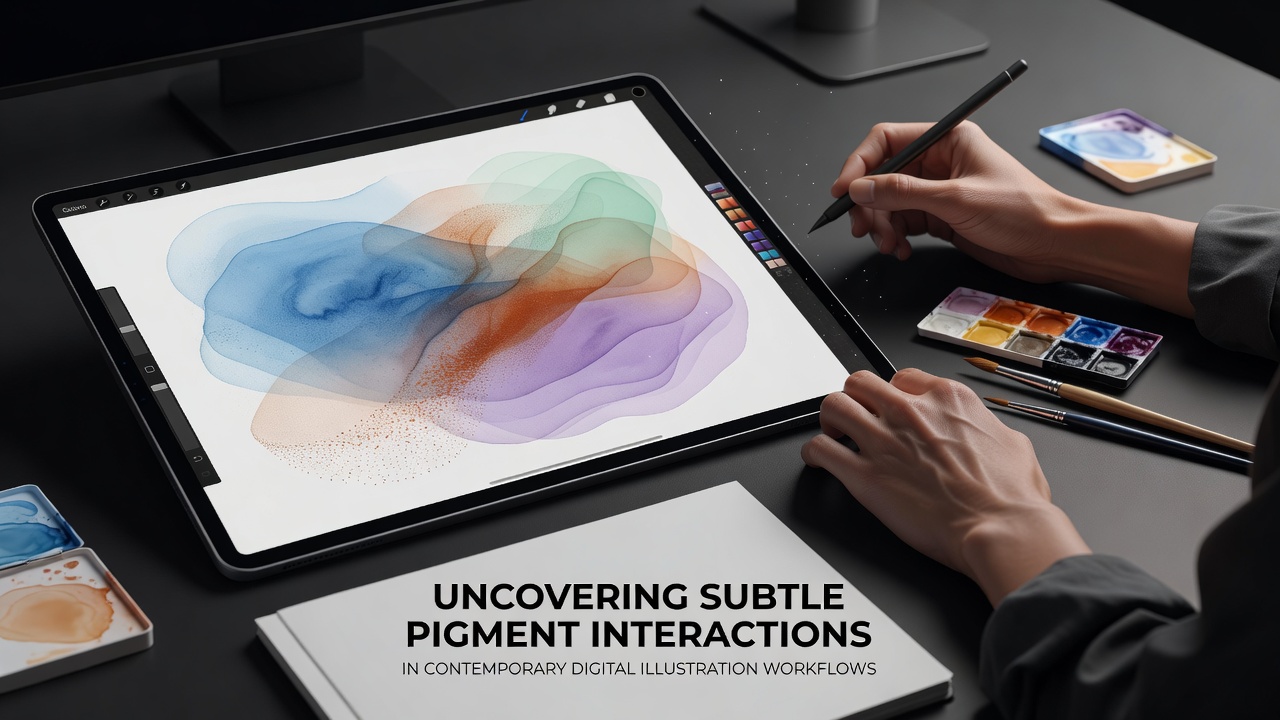
Digital illustration workflows now rely on advanced color management systems that replicate traditional pigment behaviors through precise algorithmic models, and these systems handle interactions between hues at the pixel level in ways that affect final output quality across multiple software platforms. Artists and technicians apply blending modes, layer opacities, and color space conversions to achieve results that mimic subtractive mixing found in physical media, while data from industry reports indicate that such techniques have expanded since the widespread adoption of tablet-based tools in the early 2020s.
Core Mechanisms Behind Digital Pigment Simulation
Software environments process pigment interactions by calculating how overlapping colors absorb and reflect light values according to established color theory principles, and this occurs through modes like multiply, screen, and overlay that adjust RGB channel data in real time. Researchers at institutions focused on color science have documented how these calculations preserve subtle shifts in saturation and value when artists stack translucent layers, whereas traditional pigment rules translate into digital equivalents that avoid the muddiness often seen in physical overpainting. Observers note that color management profiles, calibrated against standards from organizations such as the National Institute of Standards and Technology, ensure consistency across devices during these operations.
Workstation setups incorporate graphics processing units that accelerate these computations, allowing illustrators to preview interactions without noticeable lag, and this capability supports iterative adjustments that refine the balance between warm and cool tones in complex compositions. Studies from academic sources reveal that artists who integrate custom brushes with variable pressure sensitivity achieve finer control over edge transitions where pigments meet, creating gradients that reflect real-world light scattering effects documented in material science literature.
Layering Strategies and Their Impact on Color Outcomes
Contemporary workflows emphasize non-destructive editing through adjustment layers and masks, which isolate pigment interactions to specific regions without altering base artwork, and this approach lets users test combinations of complementary colors while monitoring histogram data for unwanted clipping. Those who have examined production pipelines at major studios report that separating elements into groups dedicated to base colors, shadows, and highlights reduces unintended shifts during final rendering, especially when files move between applications with differing color engines.
September 2026 saw several updates to leading illustration packages that refined these layering tools by introducing improved spectral rendering options, and these changes addressed long-standing discrepancies in how software interpreted low-opacity overlaps. Figures from industry analyses show increased adoption of these features among professional users seeking to match output from high-end printers that rely on extended gamut inks.
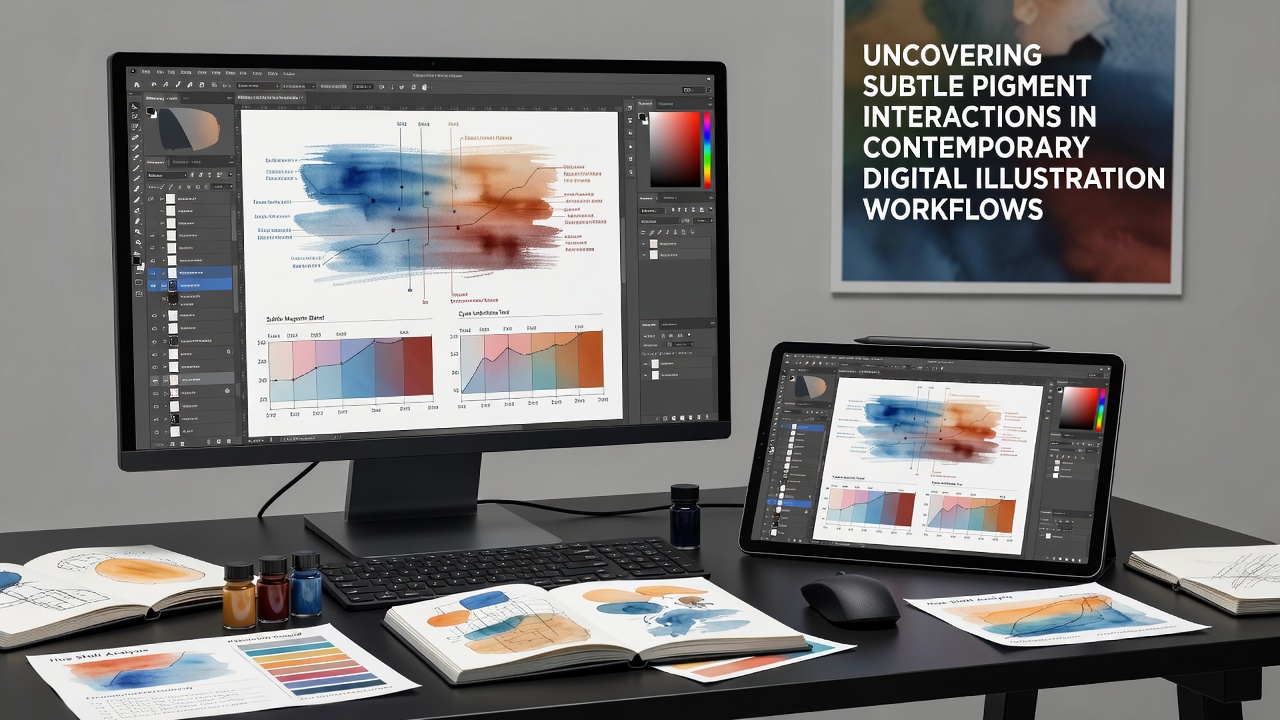
Color pickers integrated with live preview functions further support precise selection of interacting tones, while plugins that simulate specific pigment behaviors, such as granulation or staining, extend these capabilities for specialized projects. Data indicates that workflows incorporating reference imagery from physical swatches maintain higher fidelity in reproduced textures compared to purely procedural methods.
Challenges in Maintaining Consistency Across Platforms
Cross-platform compatibility remains a focal point because different operating systems and hardware configurations interpret color profiles with slight variations that can alter perceived interactions, and calibration routines recommended by bodies like the International Commission on Illumination help mitigate these differences. Technicians who monitor projects through proofing stages observe that embedding full ICC profiles within files preserves intended pigment relationships when artwork transfers to print or web delivery systems.
Training programs at design schools now include modules on these interactions, drawing from case examples where mismatched settings led to desaturated results in collaborative environments, and such education emphasizes verification steps using standardized test charts before final export.
Emerging Tools and Future Directions
New developments in machine learning assist with predicting how pigment layers will interact under various lighting conditions, and these tools draw on datasets compiled from both digital renders and physical scans to suggest adjustments that align with artist intent. Reports compiled by research groups in Europe and North America highlight efficiency gains when such predictive features integrate into existing brush engines, reducing the number of manual corrections required during production cycles.
Integration with three-dimensional modeling software adds another dimension by allowing illustrators to account for surface curvature effects on color appearance, while vector-based illustration continues to benefit from improved mesh gradient tools that handle subtle transitions without rasterization artifacts.
Conclusion
Subtle pigment interactions form a foundational element of effective digital illustration practice, supported by ongoing refinements in software algorithms and hardware capabilities that align digital output more closely with traditional media expectations. Continued documentation from standards organizations and academic studies ensures that practitioners maintain access to reliable methods for achieving consistent results across evolving workflows.